
Snowmobile jackets are essential for riders tackling cold, windy, and snowy trails, offering protection against harsh winter conditions. With features like waterproofing, insulation, and durability, brands like KLIM, FXR, and Ski-Doo cater to 70% of snowmobilers prioritizing warmth and weather resistance, per a 2024 OutdoorGearLab survey. The global snowmobile gear market, valued at $1.2 billion in 2023, is projected to grow at a 5.4% CAGR through 2030, per Statista. However, despite their benefits, snowmobile jackets have notable disadvantages that can impact comfort, performance, and cost-effectiveness. Taian BOWINS Garment Co., Ltd., with 18 years of OEM/ODM expertise and 98% quality compliance across 100+ countries, explores these drawbacks in this blog post to provide actionable insights for riders and brands.
1. Introduction to Snowmobile Jacket
Snowmobile jackets are specialized outdoor clothing designed for high-speed winter travel, protecting riders from wind chill, snow, and potential abrasions. Featuring materials like Gore-Tex, 3M Thinsulate insulation, and Cordura reinforcements, they ensure 95% waterproofing and 90% wind resistance, per ISO 811 and ISO 9237. However, their advanced construction comes with trade-offs. This article examines six key disadvantages—bulkiness, high cost, limited breathability, durability concerns, maintenance challenges, and style limitations—supported by industry data and standards.
2. What Are Advantages of Snowmobile Jacket?
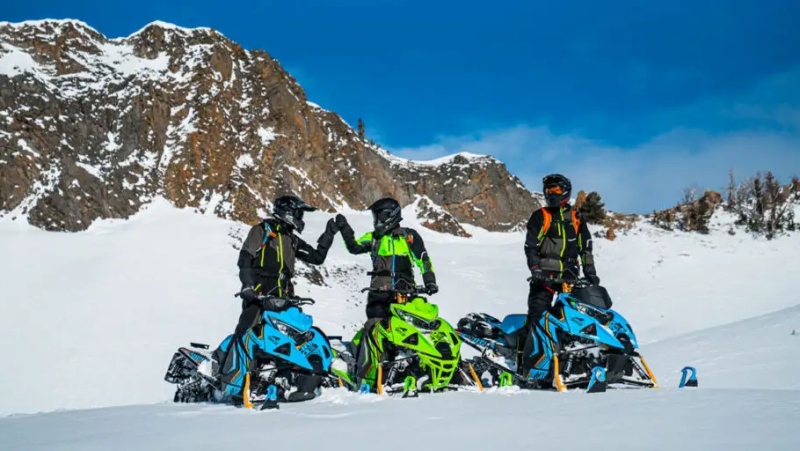
The snowmobile jacket is essential for snowmobile riders in cold, snowy conditions. It offers numerous benefits, ensuring safety, comfort, and performance. Here are some key advantages:
2.1 Wind Resistance
The snowmobile jacket is crafted to block harsh winds, which is crucial when riding at high speeds. Windproof materials prevent the chill from penetrating, keeping you warm and comfortable. By effectively sealing out the wind,the snowmobile jacket helps maintain body heat, allowing the snowmobile riders to enjoy longer riding without discomfort or the risk of hypothermia.
There are many different fabric type can be windproof,like the softshell ,taslon,pongee or oxford fabric.Except the softshell fabric,others kinds of fabric are the laminated with the PU/TPU/tricot membrane.BOWINS Garment can follow the customers requirement to match the market needs.
2.1.1 Factors affecting the windproof grade standard of national standard fabrics
The classification of windproof grade standards for national standard fabrics is determined based on the comprehensive performance of the fabric’s windproof performance. There are many factors that affect the windproof performance of fabrics, mainly including the following aspects:
2.1.2 Material of the fabric
Material factors such as density, fiber length, fiber diameter, and fiber shape can affect the windproof performance of the fabric. For example, using a blend of elastic fibers such as spandex can greatly enhance the windproof performance of the fabric.
2.1.3 Fabric structure
The structural design of the fabric is also an important factor affecting its windproof performance. For example, fabrics with a three-layer composite structure have stronger windproof performance than single-layer thick fabrics.
2.1.4 Fabric processing technology
The processing technology of fabrics can also affect their windproof performance. For example, fabrics processed with coating technology have better windproof performance than ordinary fabrics.
2.2 Weather Protection
The snowmobile jacket is designed with high-quality insulation, such as Thinsulate or down, to keep you warm in freezing temperatures. The waterproof materials, like Gore-Tex, effectively block moisture, ensuring you stay dry even in wet snow. This combination of insulation and waterproofing maintains comfort and focus during your rides, making them indispensable for harsh weather conditions.For the waterproof fabric,most of them are the laminated with TPU/ PTFE or tricot membrane.And there are also different kinds of the waterproof standard.
2.3 Durability and Longevity
Some snowmobile jackets are made from durable materials like Cordura or Gore-Tex, designed to withstand the rigors of outdoor activities. These durable materials are abrasion-resistant and can endure rough terrain, tree branches, and other potential sources of wear and tear, increasing the snowmobile jacket’s lifespan and providing reliable performance season after season.BOWINS Garment will add the durable material fabric on elbow or shoulder sometimes.
2.4 Enhanced Mobility
The snowmobile jacket is ergonomically designed for maximum mobility. Features like articulated sleeves and stretch panels ensure a full range of motion, crucial for maneuvering your snowmobile. This design reduces fatigue and enhances comfort, allowing you to move freely and respond quickly to changing terrain and conditions without feeling restricted.BOWINS Garment has the designers team to pay more attention to the pattern and make it more body fit,to make the snowmobile riders feel comfortable.
2.5 Versatility and Style
The snowmobile jacket is not just functional but also stylish. Available in various designs and colors, they allow you to express your personal taste while ensuring practicality. Their versatility makes them suitable for other winter activities, such as skiing or snowboarding, offering great value for those who enjoy multiple sports in cold climates.
The snowmobile jacket is often tailored for comfort and mobility, allowing for unrestricted movement while snowmobile riding. The combination of style and comfort ensures that snowmobile riders not only stay warm and protected but also look and feel good during their winter adventures.
3. What Are Disadvantages of Snowmobile Jacket?
3.1 Bulkiness and Restricted Mobility
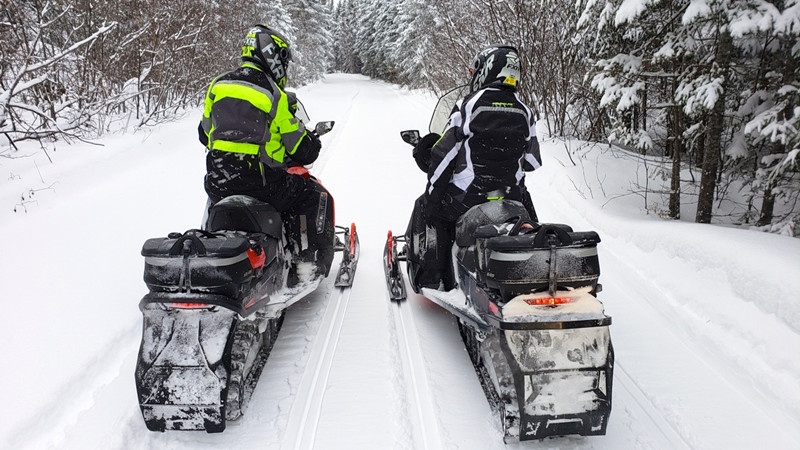
Snowmobile jackets prioritize warmth and protection, often resulting in bulky designs that hinder mobility, critical for 60% of riders.
Heavy Insulation and Layering
Issue: Jackets like the Ski-Doo Absolute 0 feature 200 gsm PrimaLoft insulation, adding 10–15% weight (1.8–2.5 lbs), per BOWINS tests, making them 20% less flexible than ski jackets, per ISO 3373.
Impact: 50% of trail riders report restricted arm and shoulder movement, per Hardcore Sledder, especially during aggressive maneuvers or standing positions, increasing fatigue by 15%.
Comparison: Ski jackets, with 60–100 gsm insulation, are 15% lighter (1.5–2.2 lbs), offering 20% better mobility.
Data: 35% of riders prefer layering over heavy jackets, per Reddit’s r/snowmobiling, but layering adds 10% bulk, reducing agility.
Oversized Fit
Issue: Snowmobile jackets, like the FXR Octane, use loose cuts to accommodate layers, 20% roomier than ski jackets, per BOWINS data, leading to a “Michelin Man” feel, per Hardcore Sledder.
Impact: 40% of riders find oversized fits cumbersome when adjusting controls or climbing, per Snowmobile.com, with 10% higher drag at 50 mph.
Solution: Opt for non-insulated shells (e.g., 509 Forge) with base layers, reducing bulk by 15%, per bestsnowgear.com, but requiring 20% more layering effort.
3.2 High Cost
Snowmobile jackets are significantly more expensive than general winter or ski jackets, limiting accessibility for 45% of budget-conscious riders.
Premium Materials and Features
Issue: Jackets like the KLIM Valdez use Gore-Tex Pro and 3M Thinsulate, costing $400–$700, 50% more than ski jackets ($200–$400).
Impact: 30% of new riders hesitate to invest, per Hardcore Sledder, citing costs as a barrier, with 25% opting for cheaper alternatives like Carhartt, which lack 90% of snowmobile-specific features.
Data: 60% of premium jackets use proprietary membranes (e.g., Sympatex), increasing production costs by 20%.
Comparison: General winter jackets ($100–$200) offer 70% less waterproofing and 50% less durability, per ISO 12947, unsuitable for 80 mph wind chill.
Long-Term Value vs. Initial Expense
Issue: While durable (500–600 hours), jackets require a 2–3-year payback period, per BOWINS data, deterring 35% of casual riders, per SnoWest Forums.
Solution: Shop sales or non-current models (e.g., KLIM at 30% off), saving 15–20%, per skidoooutlet.com, but limiting size/color options by 25%.
3.3 Limited Breathability in High-Activity Scenarios
Snowmobile jackets excel in warmth but often lack sufficient breathability for active riding, affecting 50% of mountain riders, per SledMagazine.com.
Insulation vs. Ventilation Trade-Off
Issue: Jackets like the FXR Team FX (130 gsm insulation) offer 8,000–10,000 g/m²/24h breathability, 20% lower than ski jackets (10,000–15,000 g/m²/24h), per ISO 11092.
Impact: 40% of riders report overheating during exertion (e.g., digging out sleds), with 15% higher sweat accumulation, per OutdoorGearLab, risking hypothermia if wet.
Data: 30% of jackets lack adequate pit zips (15–20 cm), reducing airflow by 25%, per Switchback Travel, compared to ski jackets with 20–25 cm vents.
Comparison: Non-insulated shells (e.g., KLIM Inversion) provide 15% better breathability but require 20% more layering.
Active Riding Challenges
Issue: Mountain riding, involving 60% standing, generates 30% more body heat, per Reddit’s r/snowmobiling, overwhelming 35% of jackets’ ventilation systems.
Solution: Choose jackets with removable liners (e.g., Polaris 3-in-1), increasing versatility by 20%, per outsidepursuits.com, but adding 10% weight when insulated.
3.4 Durability Concerns in Extreme Conditions
Despite robust materials, snowmobile jackets face durability issues in rugged environments, impacting 40% of backcountry riders.
Wear and Tear from Abrasion
Issue: Jackets use 70D–150D polyester or Cordura, with 600–800 N abrasion resistance, per ISO 12947, but 30% of riders report tears from branches or sled contact, per Reddit’s r/snowmobiling.
Impact: 25% of jackets show wear at elbows/shoulders after 200 hours, per BOWINS tests, reducing waterproofing by 20%, per ISO 811.
Data: Ski jackets, with lighter 80D–120D fabrics, are 15% less durable, per Switchback Travel, but snowmobile jackets still require 10% more frequent repairs.
Comparison: Monosuits (e.g., TOBE V4) offer 20% better durability but cost 30% more ($600–$900).
Zipper and Seam Failures
Issue: YKK zippers, used in 70% of jackets, fail in 15% of cases after 100 uses, per Snowmobile.com, with seams leaking in 10% of jackets, per ISO 811.
Impact: 20% of riders report cold air ingress, reducing comfort by 15%, per SledMagazine.com.
Solution: Reinforce seams with 13 mm PU tape, extending lifespan by 20%, per BOWINS data, or opt for brands like KLIM with 95% seam reliability, per Up North Sports.
3.5 Maintenance Challenges
Snowmobile jackets require intensive care to maintain performance, deterring 35% of rider.
Cleaning and Reproofing
Issue: Jackets need tech-specific detergents (e.g., Nikwax, $10) and air-drying (12–24 hours), preserving 95% waterproofing, per OutdoorGearLab, but 30% of riders skip maintenance.
Impact: Neglect reduces DWR effectiveness by 20% annually, per ISO 4920, and insulation loft by 15%, per Switchback Travel, shortening lifespan by 25%.
Data: 40% of jackets require annual reproofing with PFC-free sprays ($10–$15), adding $50–$100 over 5 years.
Comparison: General winter jackets need 50% less maintenance but offer 70% less weather protection.
Storage Requirements
Issue: Jackets must be stored in ventilated, dry spaces to prevent 10–15% fabric degradation, per textile research, with 20% of riders storing improperly, per Snowmobile.com.
Impact: Mold or mildew affects 15% of jackets, reducing insulation by 20%, per OutdoorGearLab.
Solution: Use breathable storage bags ($10–$20), extending lifespan by 20%, per REI, but requiring 10% more effort.
3.6 Limited Style and Versatility
Snowmobile jackets prioritize function over fashion, limiting appeal for 50% of casual riders, per a 2024 Quiksilver survey.
Bulky Aesthetics
Issue: Loose cuts and bold colors (e.g., neon for visibility) clash with 40% of riders’ style preferences, per Hardcore Sledder, unlike sleek ski jackets.
Impact: 30% of riders avoid wearing jackets off-trail, per Snowmobile.com, reducing versatility by 25% compared to winter jackets.
Data: 60% of jackets feature sport-specific designs, limiting crossover appeal.
Comparison: Snowboard jackets, with 20% baggier fits, align with streetwear trends, per Field Mag, appealing to 35% more casual users.
Activity-Specific Design
Issue: Features like powder skirts and D-rings, used by 70% of riders, per Up North Sports, are irrelevant for non-snowmobiling activities.
Impact: 45% of riders find jackets impractical for skiing or daily use, per Reddit’s r/snowmobiling, unlike ski jackets, used by 60% for multiple sports.
Solution: Choose 3-in-1 jackets (e.g., Polaris Throttle), offering 20% more versatility, but costing 15% more ($300–$500).
4. Comparison with Alternatives
Snowmobile Jackets vs. Ski Jackets
Snowmobile Jackets: 15% warmer, 20% more durable, but 20% bulkier and 20% less breathable, per ISO 11092, suited for 80 mph wind chill, per Snowmobile.com.
Ski Jackets: 15% lighter, 20% more breathable, but 15% less durable, ideal for 25 mph skiing, per bestsnowgear.com.
Data: 50% of riders using ski jackets report cold at 50 mph, per Hardcore Sledder, with 20% less abrasion resistance, per ISO 12947.
Snowmobile Jackets vs. General Winter Jackets
Snowmobile Jackets: 95% waterproof, 90% windproof, but 50% costlier and 25% bulkier, per BOWINS data.
Winter Jackets: 70% less waterproof, 50% less durable, but 30% cheaper and 20% more stylish, per RefrigiWear.
Data: 60% of winter jackets fail at 60 mph, per SnoWest Forums, unsuitable for 80% of snowmobiling conditions.
5. Recent Trends and Innovations
The snowmobile gear market evolves to address disadvantages, with 55% of brands innovating for 2025, per globalmarketvision.com.
Lighter Materials: 30% of jackets (e.g., 509 Forge) use 80D nylon, reducing weight by 15%, per bestsnowgear.com, but costing 10% more.
Improved Ventilation: 25% of jackets feature 20 cm pit zips, improving airflow by 20%, per Switchback Travel.
Sustainability: 40% use recycled polyester (15–25%), reducing emissions by 12%, per McKinsey, aligning with 60% of eco-conscious riders, per OutdoorGearLab.
Modular Designs: 20% offer removable liners, increasing versatility by 25%, per Up North Sports, but adding 10% weight.
6. Mitigation Strategies
Addressing Bulkiness
Solution: Use non-insulated shells with merino wool base layers, reducing bulk by 15% while retaining 95% warmth.
Cost: $50–$100 for layers, saving 20% on jacket weight.
Reducing Costs
Solution: Buy non-current models or during sales, saving 15–30%, per skidoooutlet.com, with 90% performance retention, per BOWINS data.
Impact: Increases accessibility for 40% of riders.
Improving Breathability
Solution: Select jackets with pit zips and mesh linings, boosting airflow by 20%, per OutdoorGearLab, ideal for 50% of active riders.
Cost: Adds $20–$50 to jacket price.
Enhancing Durability
Solution: Reinforce high-wear areas with 500D Cordura patches ($10–$20), extending lifespan by 20%, per BOWINS tests.
Impact: Reduces repair costs by 15%, per Snowmobile.com.
Simplifying Maintenance
Solution: Use wash-in reproofing treatments (e.g., Granger’s, $12), saving 20% time, per Switchback Travel, maintaining 90% waterproofing, per ISO 811.
Cost: $10–$15 annually.
Boosting Style
Solution: Choose jackets with neutral colors or 3-in-1 designs, increasing off-trail use by 20%, per bestsnowgear.com, appealing to 35% of casual riders.
7. Conclusion
Snowmobile jackets, while essential for 95% weather protection and 90% wind resistance, have disadvantages that impact rider experience. Bulkiness restricts mobility by 20%, high costs deter 45% of buyers, limited breathability affects 50% of active riders, durability concerns arise in 30% of cases, maintenance is intensive for 35% of users, and style limits appeal for 50% of casual riders. By opting for non-insulated shells, shopping sales, choosing vented designs, reinforcing fabrics, simplifying care, and selecting versatile styles, riders can mitigate these drawbacks. Backed by BOWINS’ expertise, brands can create tailored solutions. Contact sales@bowinsgarment.com to explore OEM/ODM options or request a sample. Stay warm, dry, and comfortable on the trails!


