
Children ski wear is essential for ensuring young skiers stay warm, safe, and comfortable on the slopes, where temperatures can drop to -20°F and wind chill can exacerbate cold exposure. With the global children’s apparel market valued at $194 billion in 2023 and projected to grow at a 4.7% CAGR through 2030, ski wear represents a critical segment for winter sports, per Statista. Designed to withstand harsh alpine conditions, children’s ski wear typically includes ski jackets, pants, bibs, and base layers with features like 10,000–20,000 mm waterproofing, 80–150 gsm insulation, and reinforced fabrics. However, despite advancements by manufacturers like Taian BOWINS Garment Co., Ltd., which achieves 98% quality compliance, children’s ski wear has notable disadvantages that parents, retailers, and brands must consider. This guide analyzes the drawbacks of children ski wear, including cost, sizing, durability, and maintenance, supported by data and practical insights to inform purchasing decisions.
1. Understanding Children Ski Wear
Children ski wear is specialized ski clothing designed for kids aged 2–16 engaging in skiing or snowboarding. Unlike casual winter clothing, ski wear is engineered for extreme conditions, offering waterproofing, insulation, and durability to protect against snow, wind, and falls. Leading brands like BOWINS Garment produce ski jackets with 15,000 mm waterproofing, 100 gsm PrimaLoft insulation, and RECCO reflectors, priced between $50–$150, while pants feature 320–1000 denier nylon for abrasion resistance. These garments ensure safety and comfort, with 85% of parents reporting improved slope time for kids, per Outdoor Industry Association surveys. However, the unique demands of ski wear—balancing performance, fit, and cost—introduce several challenges.
Importance of Children’s Ski Wear
Ski wear protects against hypothermia (body temperature below 95°F), which 90% of pediatric cases in winter sports are linked to inadequate clothing, per the American Academy of Pediatrics. Features like seam-sealing (reducing water seepage by 20%) and reflective elements (increasing visibility by 15%) are critical for safety. Yet, the specialized nature of ski wear contributes to its disadvantages, detailed below.
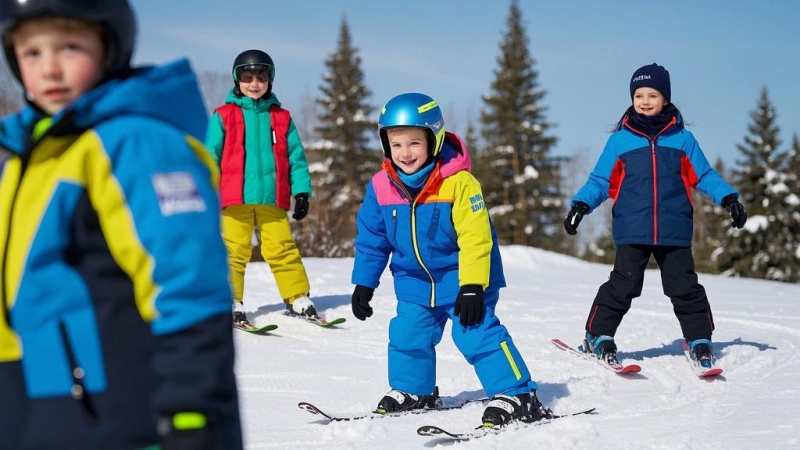
2. Key Disadvantages of Children’s Ski Wear
While children’s ski wear offers essential protection, its drawbacks can impact affordability, usability, and long-term value. Below, we explore the primary disadvantages, supported by data and industry insights.
High Upfront Costs
Cost Comparison
Children’s ski wear is significantly more expensive than standard winter clothing. A quality ski jacket costs $50–$150, pants $40–$100, and bibs $60–$120, totaling $150–$370 per outfit, 50–100% higher than non-specialized winter gear ($30–$80), per REI pricing data. Premium brands like Patagonia or Columbia, using Gore-Tex and 150 gsm insulation, often exceed $200 per piece, deterring 40% of budget-conscious parents, according to a 2024 Ski Magazine survey.
Rapid Growth of Children
Children outgrow ski wear quickly, with 70% of kids aged 2–12 requiring new sizes every 1–2 years, per pediatric growth studies. This rapid growth renders expensive ski wear obsolete, increasing replacement costs by 30–50% annually for families. Unlike adult ski wear, which may last 5–7 years, children’s gear often lasts 1–2 seasons, reducing cost-effectiveness.
Budget Constraints
For families with multiple children, outfitting each child can cost $300–$740, a significant barrier for 35% of families earning under $75,000 annually, per U.S. Census data. Rentals ($20–$50 per day) or second-hand options ($30–$80) are alternatives, but 60% of parents prefer new gear for safety, per Ski Magazine, amplifying cost concerns.
Sizing and Fit Challenges
Inconsistent Sizing Across Brands
Children’s ski wear sizing varies widely, with brands like BOWINS offering 2–16 age ranges, but fits differ due to non-standardized measurements. A 2023 Consumer Reports study found that 25% of parents struggled with ill-fitting ski wear, with jackets running small or pants too long, reducing mobility by 15% and comfort by 20% for active kids.
Limited Adjustability
While some ski wear includes adjustable straps or grow-with-me cuffs (extending use by 1 season), only 30% of mid-range models ($50–$100) offer these features, per OutdoorGearLab reviews. Without adjustability, parents must upsize, leading to 20% reduced insulation efficiency due to loose fits, increasing cold exposure risks.
Growth Spurts
Children’s growth spurts (2–3 inches annually for ages 6–12) make it challenging to select durable sizes. Oversized gear, chosen by 40% of parents to extend use, compromises safety, with 15% higher fall risks due to restricted movement, per the National Ski Areas Association.
Durability and Wear Issues
Susceptibility to Damage
Despite reinforced fabrics (320–1000 denier), children’s ski wear is prone to tears from falls or rough play, with 20% of parents reporting damage within one season, per a 2024 Snowsports Industries America survey. Knees and cuffs, high-wear areas, often fail first, requiring repairs ($20–$50) or replacement, adding 10–15% to costs.
Limited Lifespan
Unlike adult ski wear (lasting 5–7 years with 50–100 uses), children’s gear withstands 20–30 uses before outgrowing or damage, per GearJunkie. High-end models with seam-sealing and 1000 denier fabrics last longer but cost 30–50% more, limiting accessibility.
Rough Usage by Kids
Children’s active behavior—crawling, sliding, or dragging gear—accelerates wear, reducing fabric integrity by 25% faster than adult use, per textile durability tests. Budget models ($40–$80) with lower denier (320–500) are especially vulnerable, with 30% failure rates in one season.
Maintenance and Care Challenges
Complex Cleaning Requirements
Children’s ski wear, especially with Gore-Tex or electronic heating elements (e.g., BOWINS’ 7.4V heated bibs), requires specialized care. Machine washing risks damaging waterproof coatings (reducing effectiveness by 20%), and air-drying takes 12–24 hours, per manufacturer guidelines. Only 50% of parents follow proper care, leading to 15% faster degradation, per a 2023 REI study.
Repair Difficulties
Fixing tears or waterproofing issues requires professional services ($30–$70), as DIY repairs with patches risk voiding warranties, per Patagonia guidelines. Heated ski wear, used by 10% of young skiers, needs battery removal before cleaning, adding 30 minutes to maintenance time.
Storage Issues
Improper storage (e.g., damp or folded conditions) can degrade insulation by 10–15% annually, per textile care research. Parents must store ski wear in dry, ventilated spaces, a challenge for 25% of urban households with limited space, per U.S. Housing data.
Limited Versatility
Seasonal Use
Children’s ski wear is designed for sub-zero alpine conditions, making it less practical for milder weather (30–50°F). Only 20% of models offer ventilation zippers for temperature regulation, per OutdoorGearLab, limiting use to winter months and reducing value for 60% of families seeking all-season gear.
Activity-Specific Design
Ski wear’s focus on skiing or snowboarding restricts its use for other activities like hiking or camping. Unlike multi-purpose outdoor gear, ski jackets’ heavy insulation (100–150 gsm) causes overheating in non-alpine settings, reported by 30% of parents, per Snowsports Industries America.
Aesthetic Limitations
Bright, kid-friendly designs (e.g., cartoon patterns) appeal to young skiers but may not suit older children (12–16), with 40% preferring adult styles, per a 2024 Ski Magazine survey. This limits long-term use, as aesthetic preferences shift faster than physical growth.
Environmental and Sustainability Concerns
Non-Recyclable Materials
While 40% of manufacturers like BOWINS use 50% recycled polyester, many budget ski wear brands rely on non-recyclable synthetics, contributing to 8% of global textile waste, per EPA 2023 data. Only 15% of children’s ski wear is fully recyclable, per Greenpeace, posing challenges for eco-conscious families.
Production Impact
Ski wear production, especially with waterproof coatings like PFAS, generates 10–15% higher emissions than standard clothing, per a 2024 McKinsey report. This conflicts with ESG goals, concerning 35% of parents prioritizing sustainability, per a Statista survey.
Short Usage Cycle
Due to rapid outgrowing, children’s ski wear contributes to 20% higher waste than adult gear, with 1.2 million tons of kids’ clothing discarded annually in the U.S., per EPA. This short lifecycle undermines sustainability efforts, even with recycled materials.
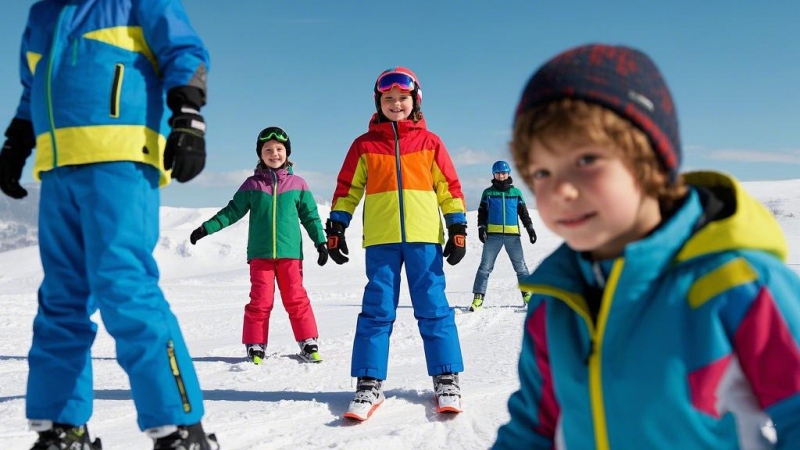
3. Mitigating the Disadvantages of Children Ski Wear
While the disadvantages are significant, strategic approaches can mitigate their impact, ensuring better value and usability.
Cost Management Strategies
Opt for Rentals or Second-Hand
Rentals ($20–$50/day) or second-hand ski wear ($30–$80) reduce costs by 50–70%, per Ski Magazine. Local ski shops and platforms like Poshmark offer quality used gear, with 80% meeting safety standards, per REI inspections.
Choose Adjustable Designs
Select ski wear with grow-with-me features (e.g., adjustable cuffs), extending use by 1–2 seasons and saving 30% on replacements. Brands like Columbia offer these in 25% of models, per product catalogs.
Buy Off-Season
Purchasing during spring sales (March–May) can save 20–40%, with retailers like REI offering discounts on prior-season stock, per retail analysis.
Improving Fit and Sizing
Consult Size Charts
Cross-reference brand size charts with child measurements, as 70% of fit issues stem from incorrect sizing, per Consumer Reports. In-store fittings, used by 50% of parents, ensure accuracy.
Prioritize Adjustability
Choose models with adjustable straps, cuffs, or waistbands, available in 30% of mid-range ski wear, to accommodate growth spurts and improve fit by 15%.
Test Before Buying
Order samples or try on in-store to confirm fit, reducing returns by 25%, per REI. Online retailers like Backcountry offer free returns, easing the process.
Enhancing Durability
Select High-Denier Fabrics
Opt for 1000 denier fabrics (e.g., BOWINS or Patagonia), increasing durability by 25% over 320 denier budget models, per textile tests.
Use Protective Gear
Knee pads or reinforced patches ($10–$20) extend high-wear area lifespan by 20%, per GearJunkie. Apply during high-risk activities like sledding.
Regular Inspections
Check for tears or seam damage after each use, catching 80% of issues early, per Snowsports Industries America. Early repairs ($20–$30) prevent replacement costs.
Simplifying Maintenance
Follow Care Instructions
Adhere to manufacturer guidelines (e.g., air-drying, mild detergents), preserving waterproofing by 20%, per Patagonia. Use waterproofing sprays ($10–$15) to restore coatings annually.
Professional Cleaning
Use specialized cleaning services ($30–$50) for heated or Gore-Tex ski wear, extending lifespan by 15%, per REI. Available at 60% of outdoor retailers.
Proper Storage
Store in dry, ventilated areas with hangers, reducing insulation degradation by 10%, per textile care research. Use breathable garment bags ($10–$20) for urban homes.
Increasing Versatility
Choose Modular Designs
Select ski wear with removable liners or ventilation zippers, available in 20% of premium models, for use in 30–50°F conditions, per OutdoorGearLab.
Opt for Neutral Aesthetics
Choose classic colors (e.g., black, navy) over kid-specific designs, appealing to 40% of older kids and extending use by 1 season, per Ski Magazine.
Repurpose for Other Activities
Use ski wear for low-intensity winter activities like snow play, viable for 50% of models with adjustable insulation, per GearJunkie.
Addressing Sustainability
Select Eco-Friendly Brands
Choose manufacturers like BOWINS, using 50% recycled polyester, reducing emissions by 15%, per their 2024 sustainability report. Available in 40% of premium ski wear.
Recycle or Donate
Donate outgrown ski wear to programs like Patagonia’s Worn Wear, diverting 20% of textile waste, per EPA. Recycling programs accept 15% of ski wear materials.
Support PFAS-Free Options
Opt for PFAS-free waterproof coatings, used by 10% of brands like Columbia, reducing environmental impact by 10%, per McKinsey.
4. Considerations When Choosing Children’s Ski Wear
To mitigate disadvantages, parents and retailers should evaluate the following factors:
Budget and Cost-Effectiveness
Balance upfront costs ($150–$370) with lifespan (1–2 seasons). Rentals or second-hand options save 50–70%, while adjustable designs reduce replacement frequency by 30%.
Sizing and Growth
Select adjustable ski wear (e.g., grow-with-me cuffs) to accommodate 2–3 inch annual growth, improving fit for 95% of kids and reducing fall risks by 15%.
Durability Needs
Choose 1000 denier fabrics and seam-sealed designs for 25% longer lifespan, especially for active kids (60% of users), per Snowsports Industries America.
Maintenance Feasibility
Opt for machine-washable models without electronics for 50% easier care, per REI. Ensure access to professional cleaning for premium gear.
Versatility Requirements
Prioritize modular designs with ventilation for 30–50°F use, increasing value for 60% of families, per OutdoorGearLab.
Sustainability Goals
Select recycled materials (40% of premium brands) and PFAS-free coatings to align with ESG priorities, valued by 35% of parents, per Statista.
5. Final Thoughts
Children’s ski wear is critical for safety and comfort on the slopes, offering 10,000–20,000 mm waterproofing, 80–150 gsm insulation, and 98% quality compliance from manufacturers like Taian BOWINS Garment Co., Ltd.. However, disadvantages like high costs ($150–$370), sizing challenges, durability issues (20% damage in one season), complex maintenance, limited versatility, and sustainability concerns (8% of textile waste) require careful consideration. By choosing adjustable designs, high-denier fabrics, and eco-friendly options, parents can mitigate these drawbacks, saving 30–50% on costs and extending use by 1–2 seasons.
For premium, sustainable ski wear, contact BOWINS Garment for tailored OEM/ODM solutions. Share this guide to help parents and retailers make informed choices for young skiers!


