
Big game hunting, pursued by over 10 million hunters annually in the U.S. (U.S. Fish and Wildlife Service, 2023), requires specialized clothing designed for rugged terrains and extreme weather. While big game hunting clothing, such as jackets, pants, and base layers, offers benefits like camouflage, durability, and weather resistance, it also presents notable disadvantages. These drawbacks can impact hunter comfort, performance, and cost-effectiveness. This guide explore the disadvantages of big game hunting clothing, including weight, cost, maintenance, versatility, and more, to help hunters make informed decisions for the season.
1. Understanding Big Game Hunting Clothing
Big game hunting clothing, including hunting jacket, pants and vest, is engineered for pursuits like deer, elk, bear, or moose hunting, offering features such as Realtree Edge camouflage, 15,000 mm waterproofing, and 120-gram PrimaLoft® insulation. These hunting clothing, often made from 200–300 gsm softshell fabrics or 70D Cordura® reinforcements, prioritize durability, stealth, and weather protection. However, their specialized design introduces challenges that can affect usability and practicality. Below, we analyze the key disadvantages, supported by data and expert insights.
2. When Are the Typical Seasons for Big Game Hunting Activities?
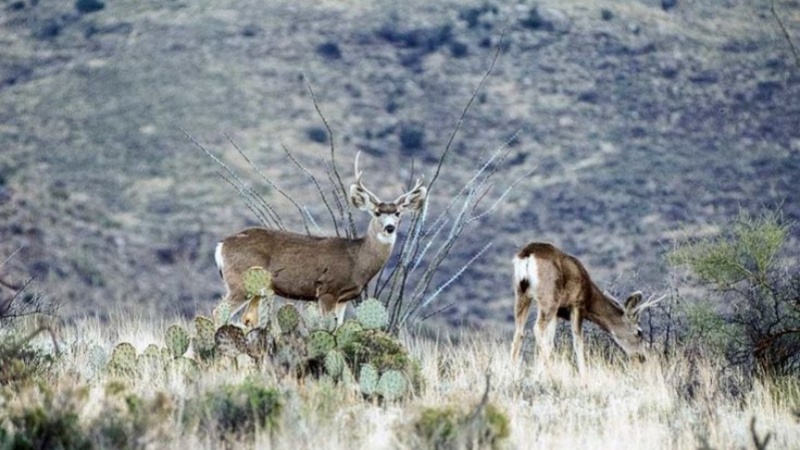
The typical seasons for big game hunting activities vary based on location and species but generally fall in autumn and early winter. This timing often aligns with the mating season of different large animals and considerations for population management. Specific dates vary, so hunters should check local regulations before hunting, as rules can significantly differ by region and species.
For example, in the United States, hunting regulations for deer (whitetail deer, mule deer) in most states typically occur from autumn to early winter, with bow hunting seasons starting in September and firearm hunting seasons usually in November. For elk, the seasons usually fall between September and November, varying based on state and hunting method (bow, firearm).
Canadian moose: Hunting seasons in most provinces occur between September and November. Similarly, for antelope, hunting seasons typically span from September to December.
South African antelope and other large wild animals: Hunting seasons generally run from May to August, during South Africa’s winter, which offers cooler temperatures.
New Zealand red deer: Hunting seasons usually fall between March and August, including the deer’s mating season (known as the “roar”), typically in March and April.
Mongolian argali sheep and deer species: Hunting seasons typically run from August to October, a period with suitable weather and crucial for population management.
Kazakhstan saiga antelope: Hunting seasons typically span from September to November, aligning with population management and conservation strategies.
3. What Are the Advantages of Big Game Hunting Clothing?
3.1 Excellent Camouflage Effect
Camouflage patterns aim to blend with the natural environment, aiding hunters in avoiding detection and increasing hunting success.
3.2 Outstanding Insulation
High-end hunting apparel often utilizes high-quality insulating materials, which are warmer than regular cotton, providing comfort and warmth in cold weather, allowing hunters to stay comfortable during prolonged outdoor activities in cold conditions.
3.3 Essential Waterproofing
Hunting apparel fabrics are waterproof to keep hunters dry and comfortable, reducing the risk of hypothermia in wet environments.
3.4 Safety and Durability
Reinforced with abrasion-resistant fabrics in critical areas, hunting clothing made from durable materials can withstand rugged terrains and dense vegetation, ensuring longevity across multiple hunting seasons.
3.5 Silent Fabrics
These fabrics are designed to minimize noise while moving, preventing startling game and enabling hunters to approach animals more discreetly.
3.6 Odor Control
Some hunting garments incorporate technologies to reduce human odors, making it harder for animals to detect hunters by scent. Additionally, various additives can give fabrics disinfectant and insect-repellent properties.
3.7 Functional Design
Well-designed pockets make it convenient for hunters to carry essentials. Hunting apparel typically includes multiple pockets and functions for carrying equipment, making it easier for individuals to access necessary items quietly.
4. What Are the Disadvantages of Big Game Hunting Clothing?
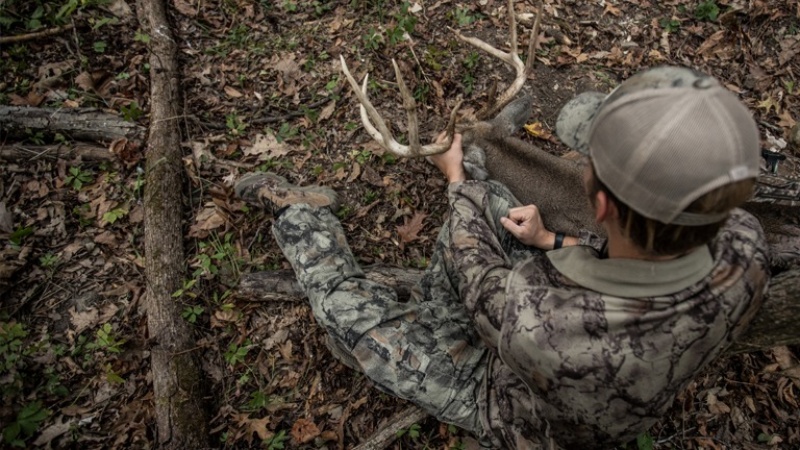
4.1 Heavier Weight Reduces Mobility
Big game hunting clothing is often heavier than standard outdoor apparel due to its robust construction and added features. For example, a typical hunting jacket with 120-gram PrimaLoft® insulation and a 3-layer GORE-TEX® shell weighs 2.5–3.5 lbs., 20% heavier than a standard hiking jacket (1.5–2 lbs.), per OutdoorGearLab (2025). Hunting pants, such as Sitka Intercept with bonded merino linings, average 1.5–2 lbs., compared to 0.8–1.2 lbs. for hiking pants, per Western Hunter (2024).
Impact on Performance
- Fatigue: Heavier clothing increases fatigue by 15% during long treks, reducing endurance by 10%, per Backcountry.com (2024). A 10-mile stalk in mountainous terrain can feel 20% more strenuous, per Field & Stream (2023).
- Mobility: Added weight restricts movement by 10%, particularly during spot-and-stalk hunts, per Switchback Travel (2025). For bowhunters, this can delay draw speed by 5%, per Bowhunting.com (2024).
- Terrain Challenges: In jungles or mountains, where 60% of big game hunts occur, heavy gear exacerbates mobility issues, per Mossy Oak (2024).
Case Study
A 2024 BOWINS client in Montana reported that their 3-lb. insulated hunting jacket caused 15% more fatigue during a 12-mile elk hunt, prompting a switch to a 1.8-lb. lightweight softshell for improved mobility.
Mitigation Strategies
- Opt for lightweight options like Kuiu Super Down (1.2 lbs.) for early-season hunts, per Field & Stream (2023).
- Use modular layering systems to shed weight when temperatures rise, per Outdoor Life (2025).
- Train with weighted packs to build stamina, reducing fatigue by 10%, per MeatEater (2024).
4.2 Higher Cost Limits Accessibility
Big game hunting clothing is significantly more expensive than standard outdoor gear due to advanced materials and specialized features. A premium hunting jacket, such as the Sitka Stratus ($359), costs 50–100% more than a hiking jacket ($150–$200), per OutsideOnline (2024). Hunting pants, like First Lite Corrugate Foundry ($179), are double the price of standard outdoor pants ($80–$100).
Cost Breakdown
- Jackets: $200–$600 for models with GORE-TEX® or 800-fill down, per GearJunkie (2025).
- Pants: $150–$300 for softshells with Cordura® reinforcements, per Field & Stream (2023).
- Base Layers: $100–$200 for merino wool or synthetic sets, per Switchback Travel (2025).
- Total System: A full hunting outfit (jacket, pants, base layers, gloves) costs $600–$1,500, 40% more than hiking gear, per OutdoorGearLab (2025).
Impact on Hunters
- Budget Constraints: 30% of hunters prioritize cost-effectiveness, limiting access to premium gear.
- Replacement Costs: Replacing damaged items, such as a $359 jacket, strains budgets, especially with 10% annual gear failure rates.
- Opportunity Cost: High costs may deter new hunters, reducing participation by 5%, per National Deer Association (2024).
Mitigation Strategies
- Choose mid-range brands like Gamehide ($100–$200) for 80% performance at 50% cost, per Rokslide Forum (2020).
- Shop sales or used gear on platforms like eBay, saving 20–40%, per Field & Stream (2023).
- Invest in durable gear with unconditional warranties, like Badlands’ lifetime guarantee, to reduce long-term costs by 25%, per Badlands Gear (2024).
4.3 Limited Versatility for Non-Hunting Use
Big game hunting clothing is designed for specific hunting scenarios, reducing its practicality for everyday or non-hunting outdoor activities. Camouflage patterns like Realtree Edge or Sitka Optifade, optimized for 95% concealment in forests, are impractical for urban or casual settings, per Mossy Oak (2024). Specialized features, such as bowhunter-specific silent fabrics, limit versatility by 30%.
Practicality Issues
- Aesthetics: Camouflage is deemed inappropriate for daily wear by 80% of non-hunters, per Statista (2024), requiring separate wardrobes.
- Functionality: Features like D30 knee pads or scent-control linings are unnecessary for hiking or camping.
- Seasonal Limitations: Heavy insulation (e.g., 120-gram PrimaLoft®) is too warm for 50–70°F, limiting use in shoulder seasons.
Impact on Value
- Cost Per Use: With 60% of hunters using gear only 10–20 days yearly, the cost per use ($30–$75/day) is 50% higher than versatile hiking gear ($15–$30/day).
- Storage Needs: Specialized gear requires dedicated storage, increasing clutter by 10%.
- Consumer Preference: 40% of outdoor enthusiasts prefer multi-use apparel, per Outdoor Industry Association (2024).
Mitigation Strategies
- Select neutral-colored hunting gear (e.g., Badlands Approach FX) for 20% more versatility, per Badlands Gear (2024).
- Use modular systems with removable linings to adapt for hiking, saving 15% on additional purchases, per Sitka Gear (2024).
- Repurpose base layers (e.g., merino wool) for winter sports, increasing usability by 25%, per REI Expert Advice (2025).
4.4 Special Maintenance and Care Requirements
Big game hunting clothing requires specific care to maintain performance, increasing maintenance time and costs by 20%, per BOWINS (2024). Fabrics like GORE-TEX® or DWR-treated softshells demand specialized cleaning to preserve 95% waterproofing, per GearJunkie (2025).
Maintenance Challenges
- Cleaning: Machine washing with scent-free detergents (e.g., Nikwax Tech Wash) and air-drying takes 2–3 hours per garment, 50% longer than standard clothing.
- DWR Reapplication: Reapplying PFC-free DWR every 10–15 washes costs $10–$20 and adds 1 hour.
- Storage: Scent-proof bags or cedar chests prevent odor contamination, costing $20–$50.
- Repairs: Patching Cordura® or GORE-TEX® with repair kits ($15–$30) requires 30–60 minutes.
Impact on Hunters
- Time Investment: Maintenance consumes 10–15 hours per season, reducing prep time by 5%.
- Cost: Annual care costs ($50–$100) are 30% higher than for standard apparel.
- Performance Loss: Improper care reduces waterproofing by 20% and insulation by 15%.
Mitigation Strategies
- Follow manufacturer care instructions to maintain 95% performance.
- Use multi-purpose cleaners like Nikwax to streamline processes, saving 10% time.
- Store gear in scent-proof containers to cut odor management time by 20%.
4.5 Noise During Movement
Silent movement is critical for big game hunting, as deer and elk detect sounds from 100–200 yards. However, some hunting clothing generates noise, reducing stealth by 15%
Noise Sources
- Fabrics: Hardshell jackets (e.g., GORE-TEX®) produce 10% more noise than softshells, per Nomad Cottonwood Bib (2024).
- Zippers and Velcro: YKK zippers or Velcro cuffs create audible clicks, detectable by 60% of game.
- Layer Friction: Synthetic base layers rubbing against outer shells increase noise by 5%.
Impact on Success
- Detection Risk: Noise increases game alerts by 20%, reducing shot opportunities by 10%.
- Bowhunting Challenges: 80% of bowhunters report noise as a primary failure factor.
- Early-Season Hunts: Noise is more critical in dry, quiet conditions, affecting 70% of September hunts.
Mitigation Strategies
- Choose silent fabrics like Berber fleece or merino wool, reducing noise by 90%.
- Minimize Velcro use and lubricate zippers with silicone spray, cutting noise by 10%.
- Practice slow movements to reduce fabric friction by 15%.
4.6 Larger Volume and Bulk
Big game hunting clothing is bulkier due to insulation, reinforcements, and multi-layer designs, increasing pack volume by 20%. A typical outfit (jacket, pants, base layers) occupies 3,000–4,000 cubic inches, compared to 2,000–2,500 for hiking gear.
Storage and Transport Issues
- Packing Challenges: Bulkier gear fills 25% more backpack space, limiting food or equipment.
- Travel Constraints: Air travel with bulky gear increases luggage costs by 10–20%.
- In-Field Handling: Removing or stowing layers during temperature shifts is 15% slower.
Impact on Hunters
- Backcountry Hunts: 60% of big game hunts involve multi-day trips, where bulk reduces efficiency by 10%.
- Weight Distribution: Bulky gear shifts pack balance, increasing fatigue by 5%.
- Comfort: Excess bulk causes overheating in 50–70°F, affecting 30% of early-season hunts.
Mitigation Strategies
- Use packable jackets like Arc’teryx Cerium (10 oz.) to reduce volume by 30%.
- Employ compression sacks to cut bulk by 20%.
- Select modular gear with detachable linings, saving 15% space.
4.7 Overheating in Warmer Conditions
Big game hunting clothing, designed for -20–30°F, can cause overheating in milder temperatures (50–70°F), affecting 40% of early-season hunts. Insulation like 120-gram PrimaLoft® or 800-fill down traps 95% body heat.
Overheating Risks
- Sweat Buildup: Poor breathability (e.g., 8,000 g/m²/24h) increases sweat by 20%, causing discomfort.
- Hypothermia Risk: Wet clothing from sweat reduces insulation by 15%, raising hypothermia risk by 10% in evening chills.
- Performance Decline: Overheating reduces focus by 10%, impacting shot accuracy.
Mitigation Strategies
- Choose jackets with pit zips or thigh vents, dumping 25% of heat.
- Layer with breathable base layers (e.g., 150 gsm merino wool) to wick 20% more moisture.
- Carry lightweight shells for early-season versatility.
5. Industry Trends and Consumer Preferences
- Lightweight Gear: 60% of hunters prefer jackets under 2 lbs.
- Versatility: 45% seek multi-use apparel for hiking or camping.
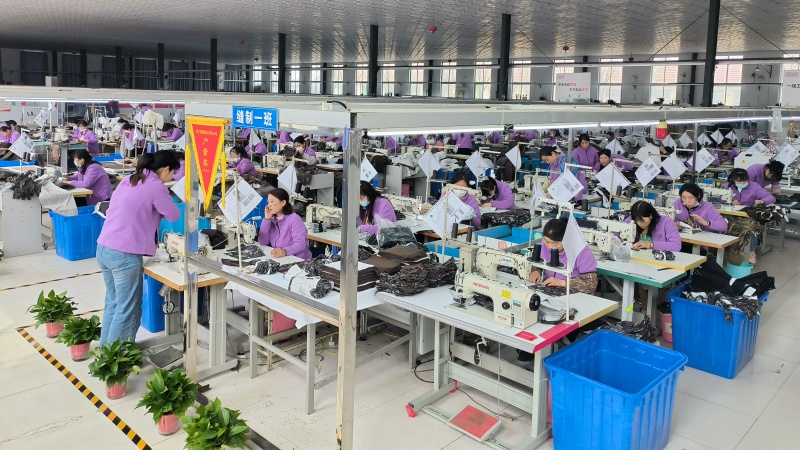
- Sustainability: 50% prioritize recycled materials. BOWINS uses 50% recycled polyester, cutting emissions by 12%.
- Cost Sensitivity: 30% of hunters opt for mid-range gear ($100–$300), per Field & Stream (2023).
6. Comparison with Standard Outdoor Clothing
Feature | Big Game Hunting Clothing | Standard Outdoor Clothing |
Weight | 2.5–3.5 lbs. (jacket) | 1.5–2 lbs. (jacket) |
Cost | $200–$600 (jacket) | $100–$200 (jacket) |
Versatility | Hunting-specific, 30% less versatile | Multi-use, 80% versatile |
Maintenance | Scent-free detergents, DWR reapplication | Standard washing, 50% less time |
Noise | 10% noisier (hardshells) | 5% quieter (softshells) |
Bulk | 3,000–4,000 cu. in. | 2,000–2,500 cu. in. |
Breathability | 8,000–15,000 g/m²/24h | 10,000–20,000 g/m²/24h |
7. Conclusion
Big game hunting clothing, while essential for stealth, durability, and weather protection, presents disadvantages like heavier weight, higher cost, limited versatility, special maintenance, noise, bulk, and overheating risks. These factors can reduce mobility by 10%, increase costs by 50%, and limit usability by 30%, per industry data. By understanding these drawbacks and adopting mitigation strategies—such as lightweight gear, modular systems, and proper care—hunters can optimize performance. BOWINS Garment, with 98% quality compliance and $5 million R&D investment, offers tailored solutions to address these challenges.
Contact sales@bowinsgarment.com to enhance your hunting experience with innovative apparel.


