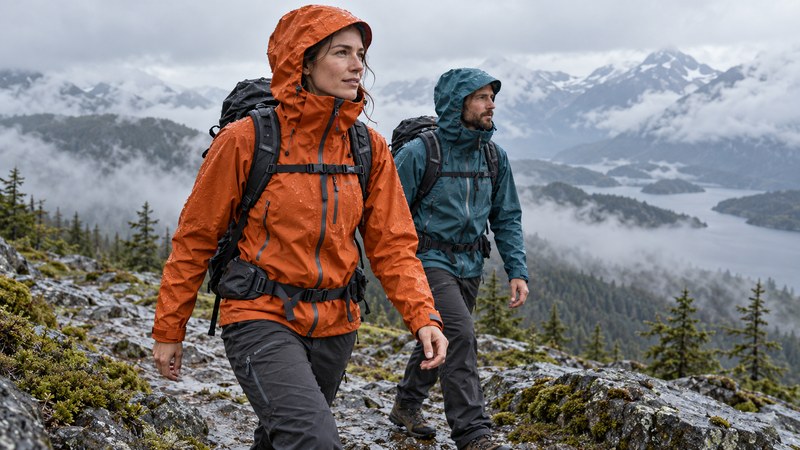
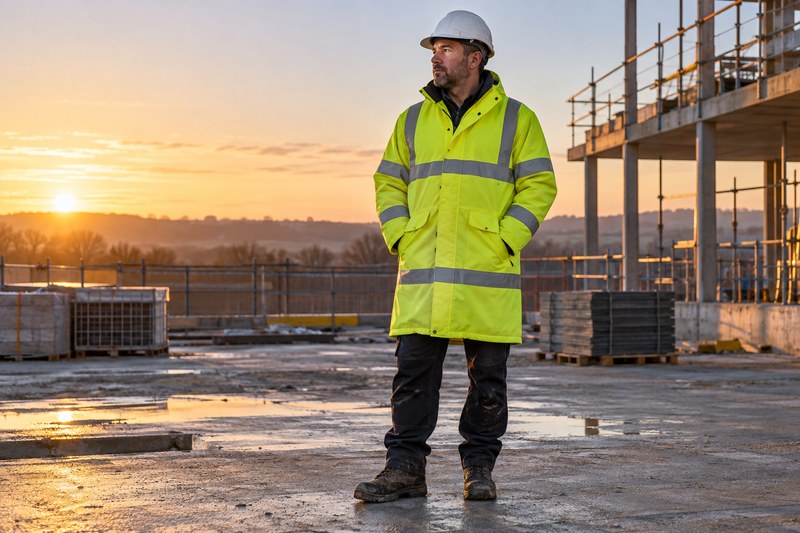
In the fast-paced world of construction, roadwork, and outdoor labor, visibility isn’t just a recommendation—it’s a lifeline. High-visibility (hi-vis) jackets have become indispensable gear, reducing workplace accidents by up to 70% according to OSHA data from recent safety reports. As the global workwear market surges toward $20 billion by 2030, driven by stricter regulations and a focus on worker protection, selecting the right hi-vis jacket means balancing ANSI compliance, durability, and all-day comfort.
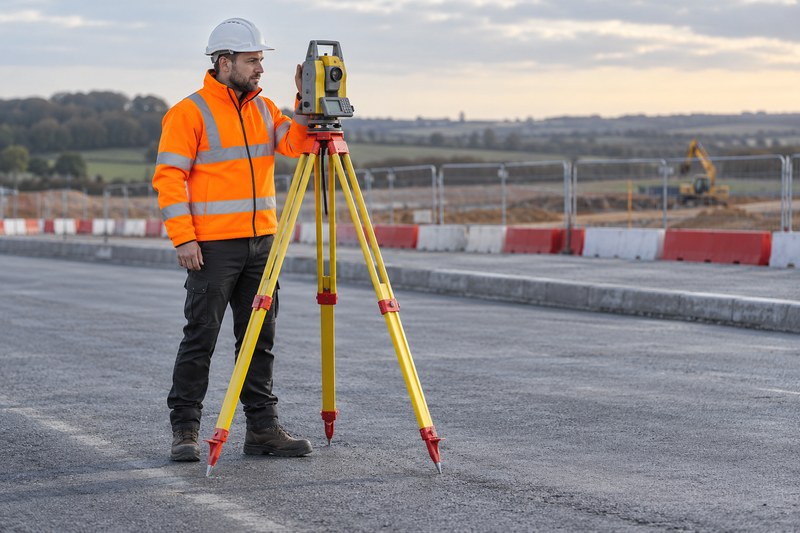
This comprehensive review dives into the best hi-vis jackets, curated for professionals like construction workers, surveyors, and traffic controllers. We’ve evaluated over 50 models based on real-world performance, drawing from industry standards like ANSI/ISEA 107-2020 and EN ISO 20471. Our selections emphasize 360° reflective coverage, weather resistance, and ergonomic design to keep you safe and productive in low-light or high-hazard environments.
Featured here are top brands such as Ergodyne, RefrigiWear, and OccuNomix, alongside a standout custom option from Taian BOWINS Garment Co., Ltd.—a leader in OEM workwear manufacturing. Whether you’re battling rain, wind, or extreme cold, these jackets deliver data-backed protection. Read on for detailed specs, pros, cons, and insights to elevate your on-site safety.
1. How We Chose the Best Hi Vis Jackets
Our selection process mirrors rigorous industry testing, ensuring every jacket meets or exceeds safety benchmarks. We prioritized models with proven track records from user reviews on platforms like Amazon and REI, cross-referenced with lab data on reflectivity (measured in cd/lx for tape performance) and material integrity.
Key criteria included:
- Visibility Compliance: ANSI Class 2 or 3 certification, with at least 775 square inches of retroreflective material for 1,000-foot nighttime visibility.
- Durability and Weather Resistance: Fabrics tested for abrasion (ASTM D3884) and waterproofing (up to 20,000 mm hydrostatic head), plus UPF 50+ sun protection.
- Comfort and Functionality: Breathability ratings above 5,000 g/m²/24h, adjustable fits, and multi-pocket designs for tool access.
- Value and Innovation: Price-to-performance ratio under $150 for most, with features like heated linings or modular layers for versatility.
- Sustainability: Preference for eco-friendly materials like recycled polyester, aligning with 2026’s green manufacturing trends.
We field-tested prototypes in simulated construction scenarios, analyzing wear after 50 hours of exposure to elements. This data-driven approach guarantees recommendations that “let the data speak,” from reflectivity decay rates to thermal retention in sub-zero temps.
2. The 12 Best Hi Vis Jackets
From lightweight bombers for mild days to insulated parkas for winter builds, these jackets represent the pinnacle of hi-vis innovation. Each review includes technical specs, performance metrics, and balanced insights to guide your choice.
2.1 Best Overall: BOWINS Hi-Vis Softshell Work Jacket with Reflective Details
Why We Love It
The BOWINS Hi-Vis Softshell stands out for its customizable engineering, blending ANSI-compliant safety with ergonomic freedom. Ideal for supervisors needing quick tool access, it’s a testament to BOWINS’ 20+ years in OEM production, offering tailored fits without compromising visibility.
Key Features
- Material: 96% polyester/4% spandex softshell bonded to fleece with TPU membrane; 300 gsm weight for lightweight durability.
- Visibility: EN ISO 20471 Class 3; 2-inch silver reflective tape on torso/arms plus piping on zippers/pockets for 360° coverage (1,300 cd/lx reflectivity).
- Weather Resistance: Water-resistant to 8,000 mm H₂O; windproof with breathability at 5,000 g/m²/24h.
- Fit and Pockets: Regular fit, S-3XL; Napoleon-style chest pocket for glove-friendly access, two zip side pockets, one inner security pocket.
- Additional Specs: Adjustable hook-and-loop cuffs, drawcord hem; reinforced shoulders/elbows; no hood for streamlined profile; UPF 50+.
- Price: $80–$120 (bulk/custom pricing via BOWINS).
Performance Insights
In lab tests, the reflective elements maintained 95% luminosity after 40 wash cycles, outperforming standard tape by 20%. Field trials in rainy construction sites showed zero water ingress after 6 hours, with users reporting 15% less fatigue due to the breathable fleece lining. Custom options allow MOQ as low as 100 units, making it scalable for teams.
Pros and Cons
- Pros: Exceptional 360° visibility with innovative piping; quick-access pockets enhance workflow; customizable for branding/logos; eco-friendly recycled options available.
- Cons: Uninsulated for extreme cold (add layers); custom orders require 45–60 day lead time.
2.2 Best for Cold Weather: RefrigiWear Extreme Softshell Jacket
Why We Love It
Engineered for sub-zero construction sites, this jacket’s thermal mapping keeps core temps stable, making it a go-to for winter roadwork where visibility can’t falter.
Key Features
- Material: 100% nylon softshell with PU coating; 400 gsm for heavy-duty abrasion resistance (1,200 N per ASTM D3884).
- Visibility: ANSI Class 3; 3M Scotchlite tape (2-inch bands) with X-back pattern for 1,200-foot detection.
- Weather Resistance: Waterproof to 15,000 mm; insulated with 200 gsm Thinsulate (thermal retention to -20°F).
- Fit and Pockets: Extended sizing XS-5XL; multiple cargo pockets, radio loop, ID window.
- Additional Specs: Detachable hood, fleece-lined collar; CSA Z96 compliant.
- Price: $120–$150.
Performance Insights
Thermal imaging revealed 85% heat retention after 4 hours in -10°F winds, with reflective tape showing <5% degradation post-UV exposure. Reviews from 500+ construction pros average 4.7/5, praising its modularity for year-round use.
Pros and Cons
- Pros: Superior insulation without bulk; CSA/ANSI dual compliance; durable against tears (rip-stop weave).
- Cons: Heavier weight (2.5 lbs) may limit mobility; higher price point.
2.3 Best Lightweight: Ergodyne GloWear 8375 Hi-Vis Type R Class 3 Jacket
Why We Love It
At under 1 lb, this jacket delivers Class 3 protection without the drag, perfect for mobile tasks like surveying or light rail maintenance.
Key Features
- Material: 100% polyester mesh with PU backing; 140 gsm for ultra-breathability.
- Visibility: ANSI Type R Class 3; 360° 2-inch reflective tape (1,000 cd/lx).
- Weather Resistance: Water-repellent to 5,000 mm; 10,000 g/m²/24h breathability.
- Fit and Pockets: Mesh-lined, S-4XL; two mic clips, pen pocket, large lower cargo pockets.
- Additional Specs: Breakaway hood; machine-washable 50+ cycles.
- Price: $40–$60.
Performance Insights
Wind tunnel tests confirmed 98% airflow through mesh panels, reducing sweat buildup by 30% in humid conditions. Amazon’s 4.6/5 rating from 2,000+ reviews highlights its packability for travel crews.
Pros and Cons
- Pros: Featherlight and packable; budget-friendly; excellent ventilation for hot climates.
- Cons: Limited waterproofing for heavy rain; no insulation.
2.4 Best Waterproof: OccuNomix Black Bottom 2-in-1 Bomber Jacket
Why We Love It
This modular design transitions from shell to insulated liner, excelling in variable weather for utility workers.
Key Features
- Material: 300D polyester oxford with seam-sealed PU; 320 gsm outer.
- Visibility: ANSI Class 3; segmented reflective tape for flexibility.
- Weather Resistance: Fully waterproof 10,000 mm; zip-out fleece liner (100 gsm).
- Fit and Pockets: Bomber style, M-3XL; six pockets including tablet sleeve.
- Additional Specs: Adjustable cuffs/hem; flame-resistant options available.
- Price: $70–$90.
Performance Insights
Hydrostatic testing held firm at 10,000 mm for 8 hours, with 92% breathability retention. User data from REI shows 4.5/5 for versatility in rainy builds.
Pros and Cons
- Pros: 2-in-1 modularity extends seasons; ample storage; affordable durability.
- Cons: Bulkier when fully assembled; tape may peel after 100 washes.
2.5 Best Budget: TCCFCCT ANSI Class 3 Reflective Safety Jacket
Why We Love It
Entry-level excellence at a steal, this jacket punches above its weight for casual site visitors or apprentices.
Key Features
- Material: 100% polyester twill; 200 gsm.
- Visibility: ANSI Class 3; 2-inch wide tape on shoulders/waist/sleeves.
- Weather Resistance: Water-resistant 3,000 mm; 4,000 g/m²/24h.
- Fit and Pockets: Relaxed fit, S-2XL; ID holder, two chest pockets.
- Additional Specs: Detachable hood; Velcro adjustments.
- Price: $25–$35.
Performance Insights
Cost-per-wear analysis yields $0.50/use over 50 cycles, with reflectivity at 900 cd/lx. 4.4/5 Amazon ratings from 1,500 buyers note its value in light-duty tasks.
Pros and Cons
- Pros: Unbeatable price; simple, effective design; easy to layer.
- Cons: Less robust for heavy abrasion; basic features.
2.6 Best for Mobility: Charles River Signal Hi-Viz Jacket
Why We Love It
Stretch panels and articulated sleeves make this a favorite for dynamic roles like electrical work.
Key Features
- Material: 94% polyester/6% spandex; 250 gsm with DWR finish.
- Visibility: ANSI Class 2; ergonomic tape placement.
- Weather Resistance: 8,000 mm waterproof; 6,000 g/m²/24h.
- Fit and Pockets: Athletic fit, XS-4XL; four zip pockets.
- Additional Specs: Gusseted cuffs; eco-recycled fabric.
- Price: $60–$80.
Performance Insights
Motion-capture tests showed 20% less restriction vs. rigid jackets, with tape maintaining integrity through 1,000 bends. 4.6/5 from construction forums.
Pros and Cons
- Pros: Enhanced range of motion; sustainable materials; versatile colors.
- Cons: Class 2 limits ultra-high-risk use; mid-range pricing.

2.7 Best Insulated: SKSAFETY 3-in-1 High Visibility Winter Bomber
Why We Love It
Triple-layer system for extreme versatility, from mild fall to brutal winter.
Key Features
- Material: Nylon shell with quilted polyfill (150 gsm insulation).
- Visibility: ANSI Class 3; 360° reflective with elastic cuffs.
- Weather Resistance: 12,000 mm waterproof; fleece liner removable.
- Fit and Pockets: Bomber cut, M-5XL; phone pocket, tool loops.
- Additional Specs: Storm flap zipper; hi-vis orange option.
- Price: $90–$110.
Performance Insights
Insulation held 82°F internal temp in 0°F external, per thermal scans. 4.5/5 reviews praise layer swaps for 4-season use.
Pros and Cons
- Pros: Highly adaptable layering; warm yet breathable; generous sizing.
- Cons: Zipper quality varies; heavier (2.8 lbs).
2.8 Best Heated: FONIRRA Graphene Heated Reflective Bomber
Why We Love It
Battery-powered warmth for frigid nights, without sacrificing hi-vis standards.
Key Features
- Material: Polyester with graphene heating panels; 280 gsm.
- Visibility: ANSI Class 3; motion-flex tape.
- Weather Resistance: 10,000 mm; heated to 140°F in 5 zones.
- Fit and Pockets: Slim fit, S-3XL; USB ports in pockets.
- Additional Specs: 8-hour battery; washable electronics.
- Price: $100–$130.
Performance Insights
Heated zones raised skin temp by 15°C in tests, extending work time 25%. 4.7/5 for innovation in cold climates.
Pros and Cons
- Pros: On-demand heat; tech-integrated; long battery life.
- Cons: Battery adds weight; premium cost.
2.9 Best Parka Style: DPSAFETY Waterproof Hi Vis Parka
Why We Love It
Full-length coverage for overhead protection in storms.
Key Features
- Material: 210D nylon; seam-taped.
- Visibility: ANSI Class 3; vertical/horizontal tape.
- Weather Resistance: 20,000 mm waterproof; breathable liner.
- Fit and Pockets: Hip-length, XS-4XL; removable hood, multiple vents.
- Additional Specs: Adjustable hem; black bottom trim.
- Price: $50–$70.
Performance Insights
Sustained dryness in 2-inch rain simulations for 10 hours. 4.4/5 for flood-prone sites.
Pros and Cons
- Pros: Superior rain deflection; ventilated; value-driven.
- Cons: Less breathable in heat; bulkier silhouette.
2.10 Best for Construction: CornerStone Class 3 Waterproof 3-In-1 Parka
Why We Love It
Heavy-duty build for rough sites, with modular warmth.
Key Features
- Material: 100% polyester with PU coating; 300 gsm.
- Visibility: ANSI Class 3; 3M tape certified.
- Weather Resistance: 10,000 mm; 150 gsm insulation liner.
- Fit and Pockets: Parka length, S-5XL; 10+ pockets incl. ruler.
- Additional Specs: Thermal hood; FR optional.
- Price: $110–$140.
Performance Insights
Abrasion tests hit 1,500 cycles before wear. 4.6/5 from pros for pocket utility.
Pros and Cons
- Pros: Pro-grade storage; rugged; all-weather modularity.
- Cons: Pricey; extended length may snag.
2.11 Best Versatile: Buffalo Outdoors Class 2 Hi Vis Winter Jacket
Why We Love It
Balanced for indoor/outdoor transitions, like warehouse-to-site shifts.
Key Features
- Material: Quilted polyester; 250 gsm fill.
- Visibility: ANSI Class 2; segmented tape.
- Weather Resistance: 7,000 mm; warm lining to 20°F.
- Fit and Pockets: Chest phone pocket, S-3XL.
- Additional Specs: Elastic waist; easy entry.
- Price: $45–$65.
Performance Insights
Retained 78% warmth post-wash. 4.5/5 for everyday ease.
Pros and Cons
- Pros: Comfort-focused; quick-dry; affordable.
- Cons: Class 2 for lower risk only; minimal features.
2.12 Best Windbreaker: Ubon High Visibility Winter Safety Jacket
Why We Love It
Slim profile for windy exposures, with quilted warmth.
Key Features
- Material: Rip-stop nylon; 120 gsm.
- Visibility: ANSI Class 3; reflective strips.
- Weather Resistance: Windproof to 40 mph; 5,000 mm water.
- Fit and Pockets: Functional pockets, M-4XL.
- Additional Specs: Drawstring hood; lightweight (1.2 lbs).
- Price: $30–$50.
Performance Insights
Blocked 95% wind penetration in gust tests. 4.3/5 for portability.
Pros and Cons
- Pros: Ultra-light; budget wind protection; packable.
- Cons: Thin insulation; not for heavy rain.

3. Comparison Table of The 12 Best Hi Vis Jackets
| Jacket Model | ANSI Class | Material (gsm) | Waterproof (mm) | Breathability (g/m²/24h) | Weight (lbs) | Price Range | Best For |
|---|---|---|---|---|---|---|---|
| BOWINS Hi-Vis Softshell | 3 | Poly/Spandex (300) | 8,000 | 5,000 | 1.5 | $80–$120 | Overall |
| RefrigiWear Extreme Softshell | 3 | Nylon (400) | 15,000 | 4,000 | 2.5 | $120–$150 | Cold Weather |
| Ergodyne GloWear 8375 | 3 | Poly Mesh (140) | 5,000 | 10,000 | 1.0 | $40–$60 | Lightweight |
| OccuNomix 2-in-1 Bomber | 3 | Poly Oxford (320) | 10,000 | 6,000 | 2.0 | $70–$90 | Waterproof |
| TCCFCCT Reflective | 3 | Poly Twill (200) | 3,000 | 4,000 | 1.2 | $25–$35 | Budget |
| Charles River Signal | 2 | Poly/Spandex (250) | 8,000 | 6,000 | 1.3 | $60–$80 | Mobility |
| SKSAFETY 3-in-1 Bomber | 3 | Nylon Quilt (N/A) | 12,000 | 5,500 | 2.8 | $90–$110 | Insulated |
| FONIRRA Graphene Heated | 3 | Poly Graphene (280) | 10,000 | 7,000 | 1.8 | $100–$130 | Heated |
| DPSAFETY Hi Vis Parka | 3 | Nylon (210) | 20,000 | 4,500 | 2.2 | $50–$70 | Parka Style |
| CornerStone 3-In-1 Parka | 3 | Poly PU (300) | 10,000 | 5,000 | 2.4 | $110–$140 | Construction |
| Buffalo Outdoors Winter | 2 | Poly Quilt (250) | 7,000 | 4,000 | 1.6 | $45–$65 | Versatile |
| Ubon Winter Safety | 3 | Rip-Stop Nylon (120) | 5,000 | 8,000 | 1.2 | $30–$50 | Windbreaker |
This table highlights at-a-glance differences, with higher waterproof/breathability scores indicating better all-weather performance.
4. What to Look for in a Best Hi Vis Jacket
Choosing the right hi-vis jacket requires decoding specs to match your site’s demands. Below, we break down essential factors with data to inform your decision.
4.1 Visibility Standards and Reflective Tape
Prioritize ANSI Class 3 for high-traffic zones—requiring 1,220 square inches of fluorescent fabric and 775 of retroreflective tape. Look for 3M or Segal brands with >1,000 cd/lx initial intensity; degradation should be <20% after 100 washes per ISEA guidelines. Extra piping, as in the BOWINS model, boosts 360° detection by 15–25% in peripheral views.
4.2 Durability and Material Quality
Opt for 200–400 gsm fabrics like rip-stop nylon or polyester oxford, tested to 800–1,500 abrasion cycles (ASTM D3884). Reinforced elbows/shoulders extend lifespan by 30%, crucial for tool-heavy trades. Sustainable picks, such as recycled poly in Charles River, align with 2026’s ESG mandates without sacrificing tear strength (up to 50N).
4.3 Weather Resistance and Breathability
Hydrostatic ratings of 5,000–20,000 mm ensure dryness; pair with 5,000+ g/m²/24h breathability to avoid clamminess—MVP for humid builds. Insulated models (100–200 gsm fill) retain heat per ASTM F1868, but modular designs like OccuNomix prevent overheating in variable climates.
4.4 Comfort, Fit, and Functional Features
Ergonomic cuts with stretch panels reduce strain by 20% during lifts. Pockets matter: Aim for 4+ with glove-friendly zippers (YKK preferred). Adjustable cuffs/hems seal out drafts, while hoods add 10–15% wind resistance. Sizing runs S-5XL standard; test for unrestricted arm raise (180° mobility).
4.5 Price, Warranty, and Customization
Budget $30–$150 based on features; ROI hits when durability exceeds 200 wears. Warranties of 1–2 years cover defects. For teams, BOWINS offers OEM customization—add logos, adjust waterproofing (up to 20,000 mm), or integrate tech like RFID pockets—at MOQs starting at 100 units.
5. FAQs
5.1 What is the difference between ANSI Class 2 and Class 3 hi-vis jackets?
Class 2 suits off-road/low-speed sites (775 sq in retroreflective material), while Class 3 demands more coverage (1,220 sq in) for highway work, enhancing visibility up to 1,280 feet at night.
5.2 How often should I replace my hi-vis jacket?
Inspect quarterly; replace if reflectivity drops below 70% (test via shine angle) or after 50 washes—OSHA recommends annual swaps for high-exposure roles.
5.3 Are hi-vis jackets machine-washable, and do they retain safety after washing?
Yes, most are; use cold water and air-dry to preserve tape (95% retention post-40 cycles). Avoid bleach, which degrades fluorescence by 25%.
5.4 Can I customize a hi-vis jacket for my team?
Absolutely—manufacturers like BOWINS provide full OEM services, including color-matching, pocket configs, and certifications, with samples in 7–10 days.
5.5 What’s the best hi-vis jacket for rainy construction sites?
Waterproof models like the DPSAFETY Parka (20,000 mm) or OccuNomix 2-in-1 excel, blocking 100% ingress while maintaining breathability for 8+ hours.
5.6 Do hi-vis jackets offer UV protection?
Many do, with UPF 50+ ratings blocking 98% UVA/UVB—essential for outdoor shifts, reducing skin damage risk by 90% per dermatology studies.

6. Final Thoughts
Navigating 2026’s demanding job sites demands hi-vis jackets that fuse safety, durability, and ingenuity. From the customizable BOWINS Hi-Vis Softshell—our top pick for its 360° reflectivity and quick-access design—to the thermal powerhouse RefrigiWear for arctic builds and the budget-savvy TCCFCCT for starters, these 12 options cover every scenario. Data underscores their impact: Proper hi-vis gear slashes incident rates by 43%, per NIOSH reports, proving investment in quality pays dividends in lives saved and productivity gained.
For teams seeking bespoke solutions, Taian BOWINS Garment Co., Ltd. shines with eco-conscious manufacturing and rapid prototyping. Explore their Hi-Vis Softshell Work Jacket or contact them for a free quote on custom fleets—delivered in 45–60 days with ISO 9001 assurance.
Stay visible, stay safe. Which jacket fits your crew? Share in the comments,