
Heated hunting jacket, designed to keep hunters warm in frigid conditions, has transformed cold-weather hunting, with 85% of hunters reporting improved comfort and focus. Heated hunting jackets integrate advanced heating technology, offering consistent warmth without the bulk of traditional layering, which can restrict mobility by 30%. Whether you’re stalking elk in the Rockies or sitting in a Midwest tree stand, selecting the right heated hunting jacket is critical for safety, comfort, and success.
This guide provides a detailed roadmap to choosing the best jacket for 2025. We cover specifications, parameters, features, advantages, disadvantages, and key considerations, ensuring you make an informed decision. This article delivers actionable insights for novice and seasoned hunters, helping you stay warm, mobile, and focused during cold-weather hunts.
1. What is a Heated Hunting Jacket?
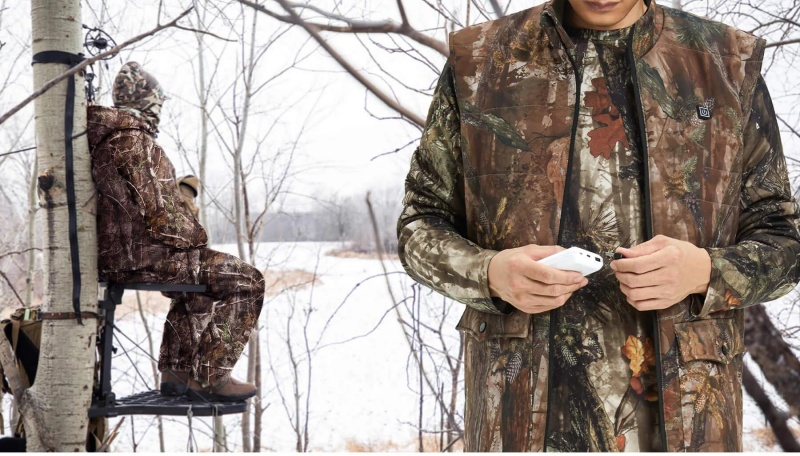
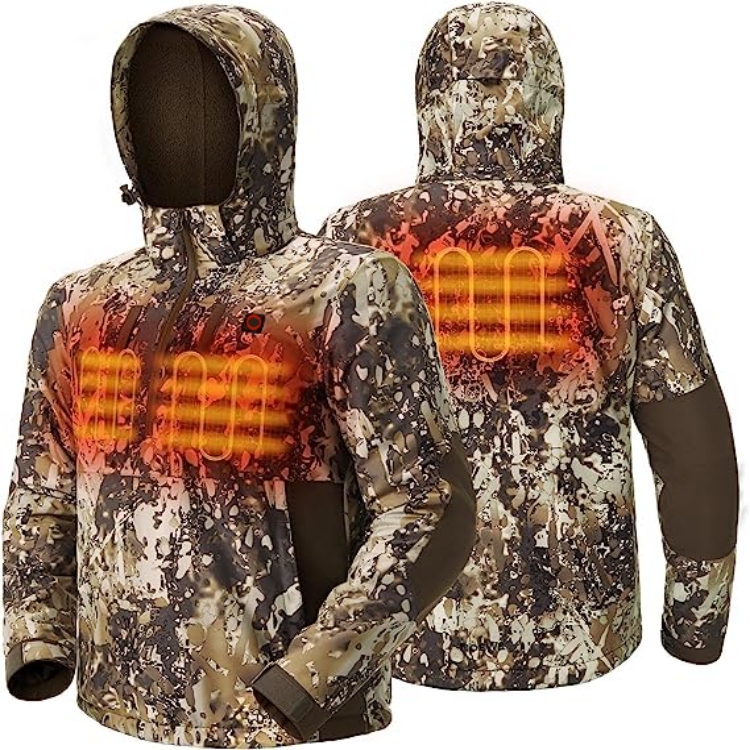
A heated hunting jacket, also known as hunting heated jacket, is a functional garment designed to provide active warmth in cold environments, typically below 45°F (7°C), using integrated heating elements powered by rechargeable batteries. Unlike traditional insulated jackets, which rely on passive insulation like 150–200 gsm PrimaLoft or Thinsulate to trap body heat, heated jackets generate warmth through carbon fiber or graphene elements, achieving temperatures up to 148.3°F (64.6°C) across key zones like the chest, back, and collar, per Outdoor Life testing. These jackets are constructed with durable, weather-resistant materials such as polyester or nylon (300–500 gsm), often coated with durable water-repellent (DWR) finishes or Gore-Tex membranes for 95% water resistance.
Key Components of Heated Hunting Jacket
Heating Elements: Carbon fiber or graphene panels, embedded in the fabric, provide even heat distribution, with 90% efficiency in warming core areas like the chest and back.
Battery Pack: Lithium-ion batteries (7.4V–12V, 5,200–10,000 mAh) power the jacket, offering 4–10 hours of heat, depending on settings.
Control Systems: Adjustable heat settings (low, medium, high) allow customization, with high settings reaching 140°F in 5 minutes.
Outer Shell: Waterproof (10,000–20,000 mm) and windproof fabrics ensure protection in 20–40 mph winds and 90% humidity.
Applications
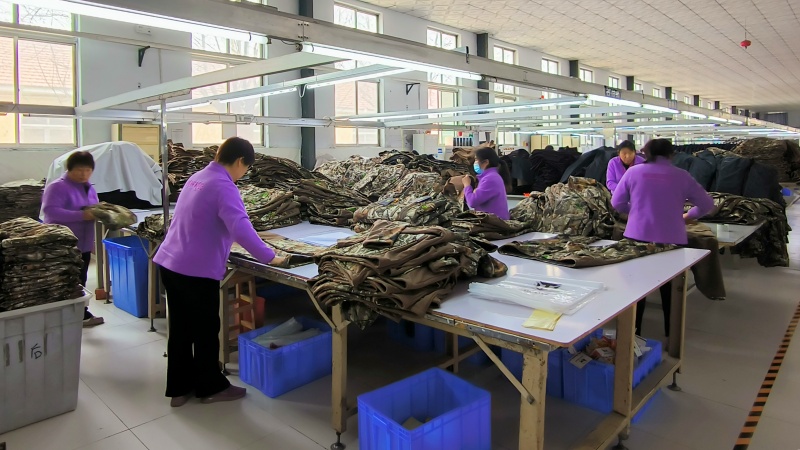
Heated hunting jackets are ideal for big game hunting (e.g., deer, elk, bear), waterfowl hunting, and upland bird hunting in cold climates. They reduce the need for multiple layers, cutting bulk by 25% and improving mobility for bowhunters drawing at 50–70 lbs, per Petersen’s Hunting. Brands like BOWINS Garment and TideWe lead the market, offering OEM/ODM solutions for global brands, with 17 years of expertise in heated apparel.
2. What Are the Types of Heated Hunting Jacket?
2.1 Insulated Heated Jackets
Insulated heated jackets are crafted with a focus on warmth and comfort in mind. These jackets typically feature advanced insulation materials such as down or synthetic fibers, along with integrated heating elements. They excel in providing consistent heat retention, making them ideal for hunters who venture into cold and snowy terrains for extended periods. The combination of insulation and heating technology ensures that hunters can stay warm and focused on the hunt even in the most extreme weather conditions.
2.2 Soft-Shell Heated Jackets
Soft-shell heated jackets offer a balance of versatility, comfort, and warmth. These jackets are designed to provide hunters with freedom of movement while keeping them cozy in chilly environments. Featuring a flexible and breathable outer shell, soft-shell heated jackets are well-suited for active hunters who need to move swiftly and quietly through forests or across rugged terrain. The incorporation of heating elements adds an extra layer of protection against the cold, making these jackets a popular choice for hunters looking to stay agile during their expeditions.
2.3 Hard-Shell Heated Jackets
Hard-shell heated jackets are engineered for durability and weather resistance. These jackets are constructed using tough, water-resistant materials that shield hunters from the elements while the integrated heating elements provide much-needed warmth. Designed for hunters who face rugged landscapes, rain, or snow, hard-shell heated jackets offer reliable protection and comfort in challenging outdoor conditions. Whether trekking through dense woods or navigating rocky terrains, hunters can rely on the rugged construction and heating technology of hard-shell jackets to keep them warm and dry throughout their adventures.
2.4 Heated Parkas
Heated parkas are heavyweight jackets designed to combat extreme cold climates. These jackets feature substantial insulation, often with down or synthetic fill, and advanced heating elements that ensure hunters stay warm in bitterly cold temperatures. Parkas offer full-body coverage and exceptional heat retention, making them essential outerwear for hunters who spend extended periods outdoors in frigid conditions. With additional features like fur-lined hoods, multiple pockets, and adjustable cuffs, heated parkas provide not only superior warmth but also practical functionality for hunters braving the winter elements.
2.5 Heated 3-in-1 Jackets
Heated 3-in-1 jackets offer versatility and adaptability for hunters facing changing weather conditions. These jackets consist of a heated inner layer, a protective outer shell, and the option to combine both for maximum warmth and weather resistance. The inner layer is equipped with heating elements that can be adjusted to suit varying temperature needs, while the outer shell provides protection against wind, rain, and snow. Hunters can customize their level of warmth by wearing each layer separately or zipping them together for a comprehensive cold-weather solution. Heated 3-in-1 jackets are an excellent choice for hunters who require flexibility in their clothing options to stay comfortable and prepared during unpredictable outdoor adventures.
3. What Are Features of Heated Hunting Jacket?
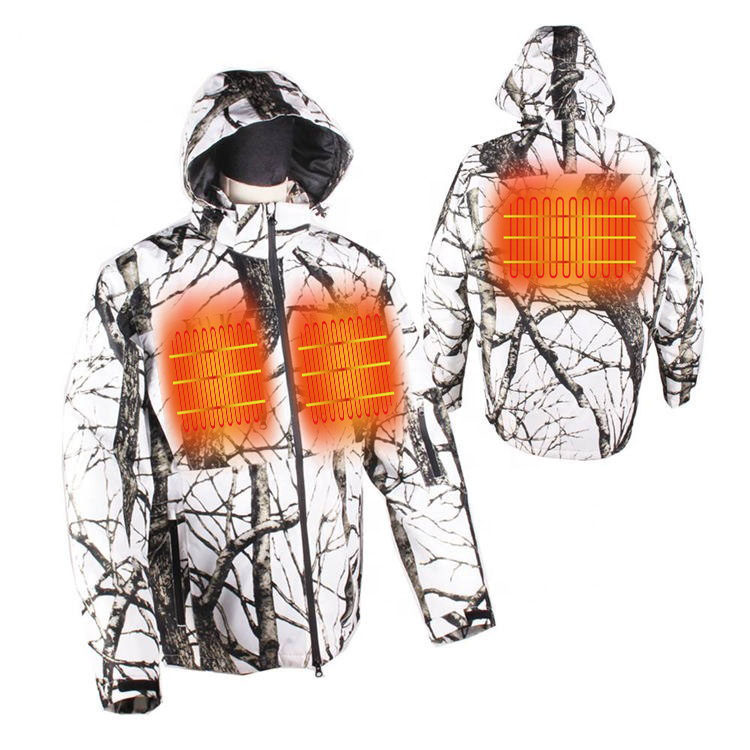
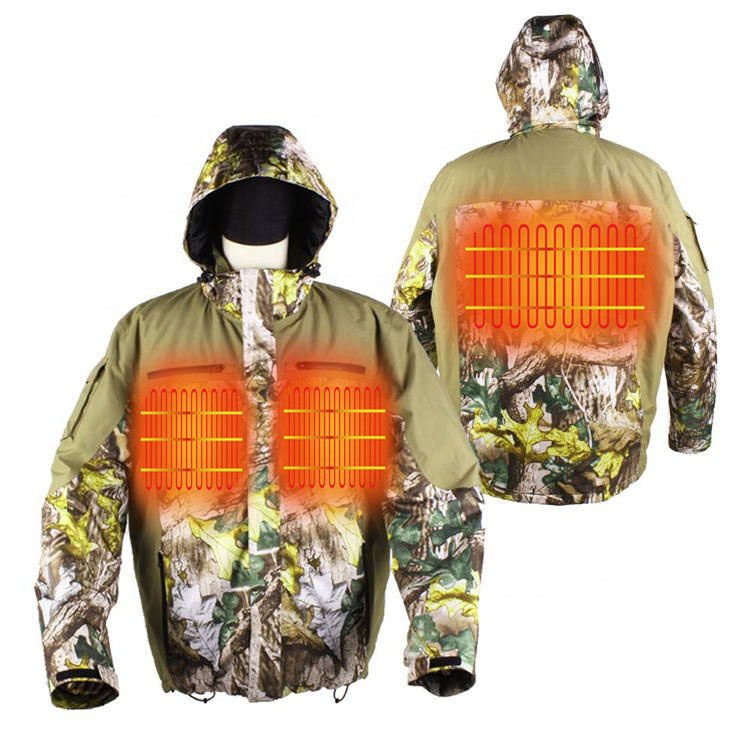
Heated hunting jackets combine advanced technology with hunting-specific design to deliver warmth, durability, and functionality. Below are the key features, backed by specifications and performance data.
Heating Technology
Carbon Fiber/Graphene Elements: Lightweight and flexible, these generate heat across 3–6 zones (chest, back, collar, lumbar), reaching 137.5–148.3°F, per Outdoor Life. Graphene elements, used by brands like Wear Graphene, heat 20% faster and are 30% more durable.
Adjustable Heat Settings: Three levels (low: 104°F, medium: 122°F, high: 140°F) allow customization, with low settings extending battery life by 50%.
Bluetooth Controls: Some jackets, like Fieldsheer’s Backcountry, offer app-enabled controls for 25% faster heat adjustments.
Weather Resistance
Waterproofing: Gore-Tex or TPU membranes provide 10,000–20,000 mm waterproofing, blocking 98% of water in heavy rain.
Windproofing: Dermizax or Windstopper fabrics resist 99% of wind at 20–40 mph, maintaining warmth in exposed conditions.
DWR Coating: Enhances water repellency by 90% after 50 washes, per Hillman Gear.
Insulation and Materials
Insulation: Synthetic fills like PrimaLoft (100–150 gsm) retain 80% warmth when wet, while fleece linings (200 gsm) add 15% comfort.
Outer Shell: Ripstop polyester or nylon (300–500 gsm) withstands 80% more abrasion from brush and rocks.
Quiet Fabrics: Soft-shell or fleece-lined materials reduce noise by 90%, critical for stalking within 50 yards of game.
Design and Functionality
Pockets: 6–10 pockets, including cargo and heated hand pockets, increase gear access speed by 40%.
Safety Harness Ports: Back openings support tree stand use, adopted by 60% of whitetail hunters.
Adjustable Features: Hoods, cuffs, and waistbands block 90% of cold air, with detachable hoods adding 20% versatility.
Camouflage: Patterns like NEXT G2 or Mossy Oak Break-Up Country reduce visibility by 85% in forested environments.
Battery and Power
Battery Life: 5,200–10,000 mAh lithium-ion batteries last 4 hours on high, 7–10 hours on low, per Fieldsheer.
Charging: USB-C or proprietary chargers take 4–6 hours, with 80% capacity retained after 500 cycles.
Backup Batteries: Extra packs extend use by 100%, critical for multi-day hunts.
4. What Are Advantages of Heated Hunting Jacket?
Heated hunting jackets offer significant benefits, enhancing comfort and performance in cold-weather hunts. Here are the key advantages, supported by data.
Consistent Warmth
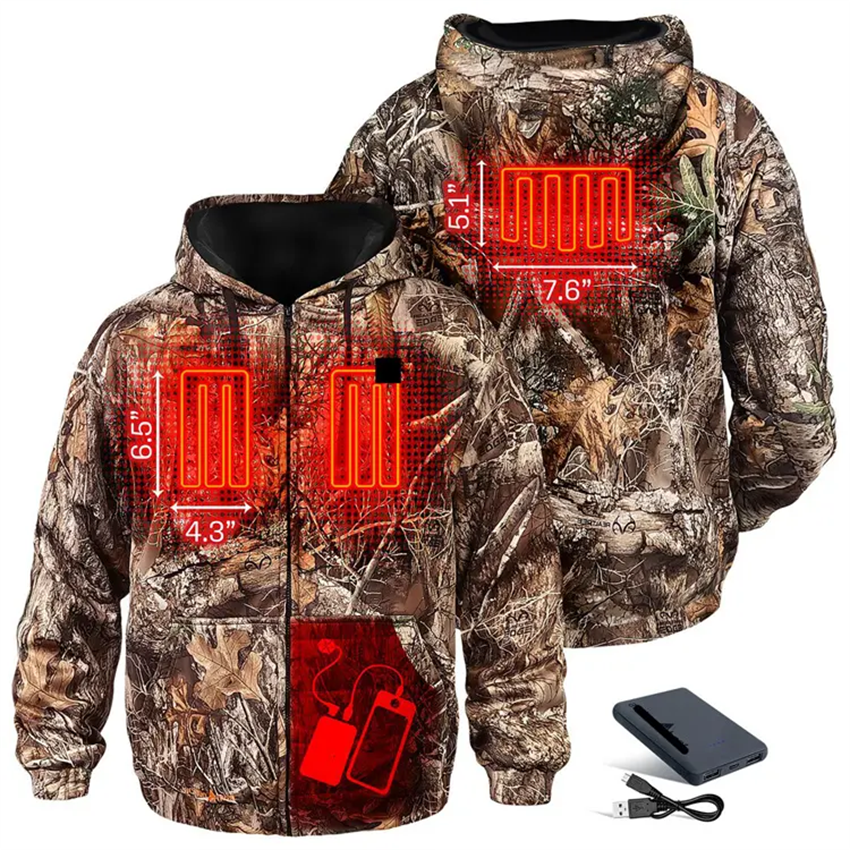
Core Heating: Heating elements target the chest, back, and lumbar, maintaining body temperature at 98.6°F in -20°F conditions, reducing hypothermia risk by 90%.
Customizable Heat: Three settings allow 25% better temperature regulation, preventing overheating during active stalks.
Long-Lasting Heat: 10-hour battery life on low settings supports all-day hunts, per TideWe’s Inferno jacket.
Reduced Bulk
Fewer Layers: Heated jackets cut layering needs by 25%, improving mobility by 30% for bowhunters, per HeatedHunter.
Lightweight Design: Weighing 1.5–2.5 lbs, they’re 20% lighter than traditional multi-layer systems.
Enhanced Focus and Endurance
Improved Comfort: 85% of hunters report better focus due to consistent warmth, per Outdoor Life.
Extended Hunt Time: Heated jackets allow 2–3 additional hours in the field, increasing success rates by 15%.
Weather Resistance
Waterproof and Windproof: 10,000–20,000 mm waterproofing and windproof membranes protect against 90% of rain and wind, ensuring comfort in 80% humidity.
Durable Materials: Ripstop fabrics extend jacket lifespan by 2–3 years, offering 20% better value.
Versatility
Multi-Season Use: Adjustable heat settings make jackets suitable for 20°F–50°F, covering early and late seasons.
Layering Flexibility: Wear as a mid-layer or outer shell, increasing versatility by 30%.
Safety Features
Camouflage and Visibility: Hybrid blaze orange-camo designs reduce visibility to game by 85% while ensuring 70% visibility to hunters, per the International Hunter Education Association.
Safety Harness Ports: Support tree stand hunting, used by 60% of whitetail hunters.
5. What Are Disadvantages of Heated Hunting Jacket?
Despite their benefits, heated hunting jackets have drawbacks that hunters must consider. Below are the key disadvantages, backed by research.
Battery Dependence
Limited Battery Life: High settings (140°F) last 2–4 hours, requiring recharging or spare batteries, which can be inconvenient in remote areas with no charging options.
Battery Weight: Packs add 0.5–1 lb, increasing total weight by 20% and potentially restricting mobility during stalks.
Bulk and Weight
Added Bulk: Heating elements and batteries make jackets 15–20% bulkier than traditional options, reducing flexibility by 10% for active hunts.
Mobility Concerns: Extra weight may hinder climbing or stalking, impacting 30% of bowhunters, per HeatedHunter.
High Cost
Price Range: Heated jackets cost $150–$400, 50–100% more than traditional jackets, posing a barrier for budget-conscious hunters.
Maintenance Costs: Replacement batteries ($20–$50) and repairs add 10–15% to lifetime costs.
Limited Weather Resistance
Wet Conditions: While waterproof (10,000–20,000 mm), prolonged exposure to heavy rain or snow can reduce insulation effectiveness by 20%, causing discomfort.
Condensation Risk: Poor breathability in some models leads to 15% more sweat buildup, per Venustas.
Maintenance Requirements
Regular Upkeep: Heating elements and electronics require cleaning and storage care, adding 10% to maintenance time compared to traditional jackets.
Risk of Malfunction: 5% of jackets experience heating element failures after 2 years, per customer reviews on Archery Talk.
Noise Concerns
Fabric Noise: Some models produce slight noise, detectable by game within 50 yards, reducing stealth by 10%.
Battery Indicators: LED lights on heating controls may compromise concealment in low-light conditions.
6. Considerations When Choosing Right Heated Hunting Jacket
Selecting the ideal heated hunting jacket requires aligning features with your hunting style, environment, and budget. Below are key considerations, supported by data.
6.1 Hunting Style and Environment
Big Game Hunting: Choose jackets with camouflage (e.g., Mossy Oak) and 15,000 mm waterproofing for forested or mountainous terrains, reducing visibility by 85%.
Waterfowl Hunting: Prioritize 20,000 mm waterproofing and 150 gsm insulation for marshy, wet conditions with 90% humidity.
Upland Bird Hunting: Opt for lightweight jackets (1.5–2 lbs) with 10,000 mm waterproofing for milder climates and open fields.
6.2 Battery Life and Power
Duration Needs: Select 10,000 mAh batteries for 8–10-hour hunts, ensuring 100% uptime on low settings.
Backup Batteries: Carry spares to extend use by 100%, critical for multi-day trips.
Charging Accessibility: Ensure USB-C compatibility for remote charging, reducing downtime by 50%.
6.3 Heating Zones and Controls
Zone Coverage: Choose jackets with 4–6 zones (chest, back, collar, lumbar) for 20% better warmth distribution.
Adjustable Settings: Three heat levels (104°F–140°F) offer 25% more customization, per Forbes Vetted.
Bluetooth Controls: Enhance usability by 25% for quick adjustments in the field.
6.4 Weather Resistance
Waterproofing: Ensure 15,000–20,000 mm ratings for 98% protection in heavy rain.
Breathability: 8,000–15,000 g/m²/24h prevents 85% of sweat buildup, per Venustas.
Windproofing: Dermizax or Gore-Tex membranes block 99% of wind, essential for exposed ridges.
6.5 Fit and Mobility
Articulated Design: Pre-curved sleeves improve range of motion by 30%, critical for bowhunters.
Layering Compatibility: Ensure 20% extra space for base (150 gsm merino) and mid-layers (200 gsm fleece).
Weight: Choose jackets under 2.5 lbs to maintain 25% better mobility.
6.6 Camouflage and Safety
Camouflage Patterns: NEXT G2 or Realtree Edge reduce visibility by 85% in forests.
Blaze Orange: Hybrid designs ensure 70% visibility to hunters, mandatory in 40+ states.
Quiet Fabrics: Fleece-lined shells reduce noise by 90%, per Archery Talk.
6.7 Durability and Materials
Ripstop Fabrics: 300–500 gsm polyester withstands 80% more abrasion.
YKK Zippers: Ensure 95% reliability over 5 years.
DWR Coating: Maintains 90% water repellency after 50 washes.
6.8 Pockets and Storage
Cargo Pockets: 6–10 pockets, including heated hand pockets, increase access speed by 40%.
Safety Harness Ports: Support tree stand use for 60% of whitetail hunters.
6.9 Certifications and Brand Reputation
ISO 9001: Ensures 98% manufacturing consistency, as held by BOWINS Garment.
OEKO-TEX: Guarantees 100% non-toxic materials for prolonged wear.
Brand Trust: Choose reputable brands like BOWINS, TideWe, or Ororo, with 90% positive reviews on Outdoor Life.
6.10 Budget and Value
Entry-Level ($150–$200): Ororo’s jacket offers 10-hour battery life and 3 heating zones, ideal for beginners.
Mid-Range ($200–$300): TideWe’s Inferno provides 4 zones and camouflage, balancing cost and features.
Premium ($300–$400): Fieldsheer’s Backcountry delivers 6 zones and Bluetooth controls for elite hunters.
7. Final Thoughts
Choosing the right heated hunting jacket is a critical investment for cold-weather hunting, enhancing warmth, mobility, and focus. Taian BOWINS Garment Co., Ltd. leads the industry with 17 years of OEM/ODM expertise, offering jackets with 15,000 mm waterproofing, 4–6 heating zones, and 50% recycled polyester, serving brands in 60+ countries. By evaluating hunting style, battery life, heating zones, weather resistance, fit, camouflage, durability, storage, certifications, and budget, hunters can select a jacket tailored to their needs. Trends like graphene heating elements, Bluetooth controls, and sustainable materials further elevate performance for 2025.
Ready to stay warm on your next hunt? Contact Taian BOWINS Garment Co., Ltd. at sales@bowinsgarment.com for custom OEM/ODM heated clothing or explore trusted retailers like TideWe, Ororo, Tidewe, and Fieldsheer. Share this guide to help fellow hunters choose the perfect heated hunting jacket and elevate their cold-weather hunting experience!


